
Educational content. This article does not provide dosing, sourcing or buying information. It explains health risks so readers can make safer decisions and recognise when someone needs help.
Synthetic cannabinoids are often described as fake weed, but that label badly understates the risk. Products sold as Spice, K2 and many other brand names have been linked to seizures, psychosis, heart problems and deaths across Europe and North America. This article explains what these chemicals are, why they behave so differently from cannabis and what to do in an emergency.
What are synthetic cannabinoids?
Synthetic cannabinoids, also called synthetic cannabinoid receptor agonists (SCRAs), are man-made chemicals designed to act on the same receptors in the brain as THC, the main active compound in cannabis. Hundreds of different compounds have been identified since the late 2000s. Many started life in academic or pharmaceutical research and were later picked up by illicit manufacturers.
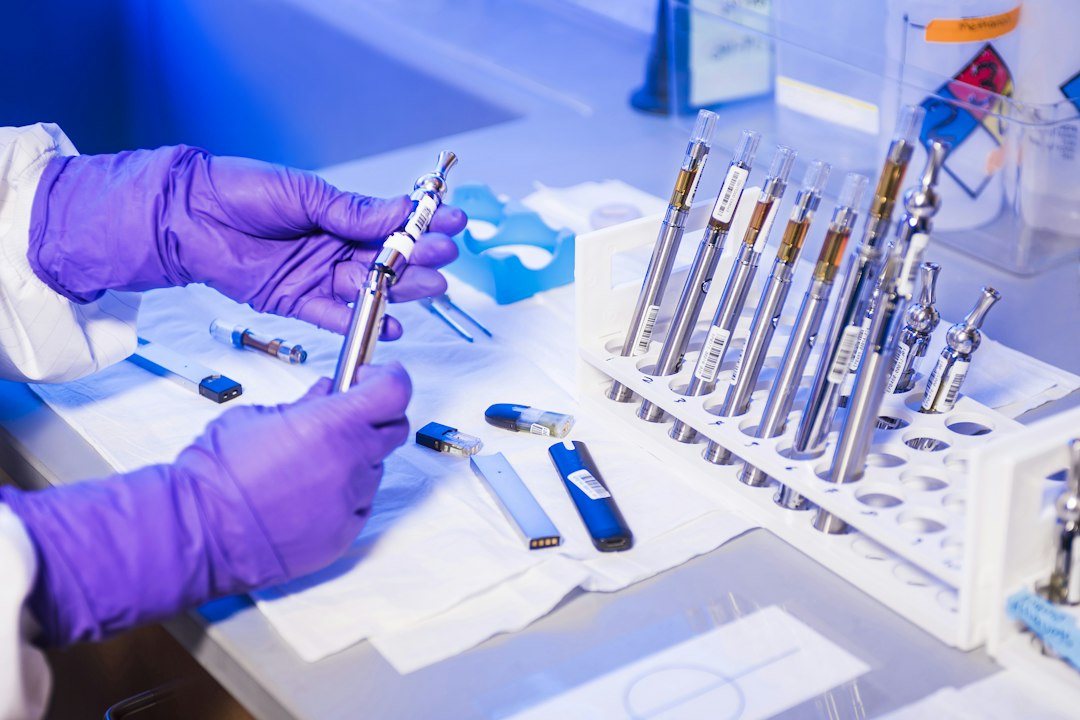
They are usually sold as dried plant material that has been sprayed or soaked with the chemicals, but they also appear as liquids for vapes, as powders, and soaked into paper. In recent years drug-checking and forensic laboratories have also found them added to products sold as ordinary cannabis, CBD or THC edibles, so some people are exposed without knowing it.
Like other new psychoactive substances, such as the compounds described in our overview of synthetic cathinones, the chemicals change frequently as older ones are banned.
How they affect the body
THC is a partial agonist at the CB1 cannabinoid receptor: it only switches the receptor on part of the way. Most synthetic cannabinoids are full agonists, often binding much more strongly. In simple terms, they can push the brain’s cannabinoid system much harder than cannabis ever does.
Cannabis also contains other compounds, such as CBD, that may soften some of THC’s effects. Synthetic products contain nothing of the sort. On top of that, the amount of chemical sprayed on plant material is often uneven, so one part of a packet can be far stronger than another.
Reported side effects
- Racing heart, chest pain and high blood pressure
- Nausea and repeated vomiting
- Severe anxiety, panic and paranoia
- Confusion, agitation and aggressive behaviour
- Hallucinations and psychosis
- Collapsing, becoming unresponsive or a zombie-like state
- Seizures
Main health risks
Heart and circulation
Case reports describe heart attacks, dangerous heart rhythms and strokes, including in young people with no previous heart problems.
Seizures and loss of consciousness
Seizures are far more common with synthetic cannabinoids than with cannabis. Some people become unconscious and unable to protect their airway.
Mental health
Synthetic cannabinoids are strongly associated with acute psychosis, and some people experience lasting mental health problems. People with a personal or family history of psychosis appear to be at particular risk.
Kidneys and other organs
Acute kidney injury has been reported in clusters linked to particular compounds, along with liver damage and severe dehydration from vomiting.
Dependence and withdrawal
Regular use can lead to dependence. Withdrawal is often described as harsher than with cannabis, with irritability, insomnia, sweating, nausea and intense cravings.
Prisons and homelessness
In the UK and elsewhere, synthetic cannabinoids have caused particular harm in prisons and among people who are homeless, groups where emergency help may be slower to arrive. Similar contamination patterns are seen with other potent drugs, such as nitazene opioids.
Dangerous combinations
- Alcohol, opioids, benzodiazepines or GHB: increase the risk of unconsciousness, vomiting and choking.
- Stimulants (cocaine, amphetamines, cathinones): add extra strain on the heart.
- Medicines that lower the seizure threshold, such as tramadol or bupropion: may raise seizure risk further.
Emergency warning signs
- Chest pain or a very fast or irregular heartbeat
- Seizures
- Unresponsiveness or very slow breathing
- Extreme agitation, confusion or hallucinations with risk of injury
- Very high body temperature
- Repeated vomiting with drowsiness
What to do
- Call 112 (EU), 999 (UK) or 911 (US). Say what you think was taken.
- If they are unconscious but breathing, put them in the recovery position.
- During a seizure, move hard objects away, do not hold them down and do not put anything in their mouth.
- If they are distressed, keep the environment calm and quiet and reassure them.
- Stay with them until help arrives.
Legal status
- UK: many synthetic cannabinoids are Class B drugs under the Misuse of Drugs Act, using broad generic definitions; others are covered by the Psychoactive Substances Act 2016.
- Germany: individual compounds are listed in the Narcotics Act, and whole chemical groups of synthetic cannabinoids are covered by the New Psychoactive Substances Act (NpSG).
- Netherlands/EU: many specific synthetic cannabinoids are controlled under national law, and several have been controlled EU-wide after risk assessment by the EU drugs agency.
- US: numerous synthetic cannabinoids are Schedule I substances, and others may be prosecuted under the Federal Analogue Act.
This is a general overview, not legal advice.
Getting help
- Netherlands: Drugs Infolijn (Trimbos Institute); DIMS drug-checking can reveal whether cannabis products contain synthetic cannabinoids.
- UK: FRANK, 0300 123 6600.
- US: SAMHSA National Helpline, 1-800-662-4357.
Related reading
- Synthetic Cathinones: Side Effects and Health Risks
- What Are Nitazenes? Synthetic Opioids Stronger Than Fentanyl
- What Is Clonazolam? Why Doctors Warn About It
- Designer Tryptamines: Side Effects and Health Risks
FAQ
Are synthetic cannabinoids just stronger cannabis?
No. They act on the same receptors but much more forcefully and lack the other compounds found in cannabis. Their effects, including seizures and heart problems, are often quite different.
Can cannabis or vape products be contaminated with them?
Yes. Laboratories in several countries have found synthetic cannabinoids in products sold as cannabis, CBD or THC vapes and edibles. Drug-checking services can help identify this.
Is help available if someone feels dependent?
Yes. Withdrawal from synthetic cannabinoids can be unpleasant but is manageable with support. A GP, local drug service or one of the helplines above can help plan the next steps confidentially.
This article is for general information and is not medical advice. If you are worried about your own or someone else’s drug use, speak to a doctor or one of the services listed above.
