
Once a business moves beyond lab-scale bottles, buying chemicals changes completely. Prices are quoted per tonne, deliveries arrive on pallets or in road tankers, and storage on your site becomes a regulated activity. This guide explains how to work with bulk chemical suppliers in the UK, from the first drum to a regular tanker contract.
Who uses bulk chemical suppliers?
Bulk buyers include manufacturers of paints, coatings, adhesives and plastics; food and drink producers; water and wastewater treatment works; cleaning and hygiene product makers; agriculture; metal finishing; and pharmaceutical and fine chemical plants. What they share is volume: they need hundreds of litres a month at least, often many tonnes.
Pack sizes: from bottle to tanker
- Jerricans and kegs (5–25 L): the entry point to trade buying, easy to handle by hand.
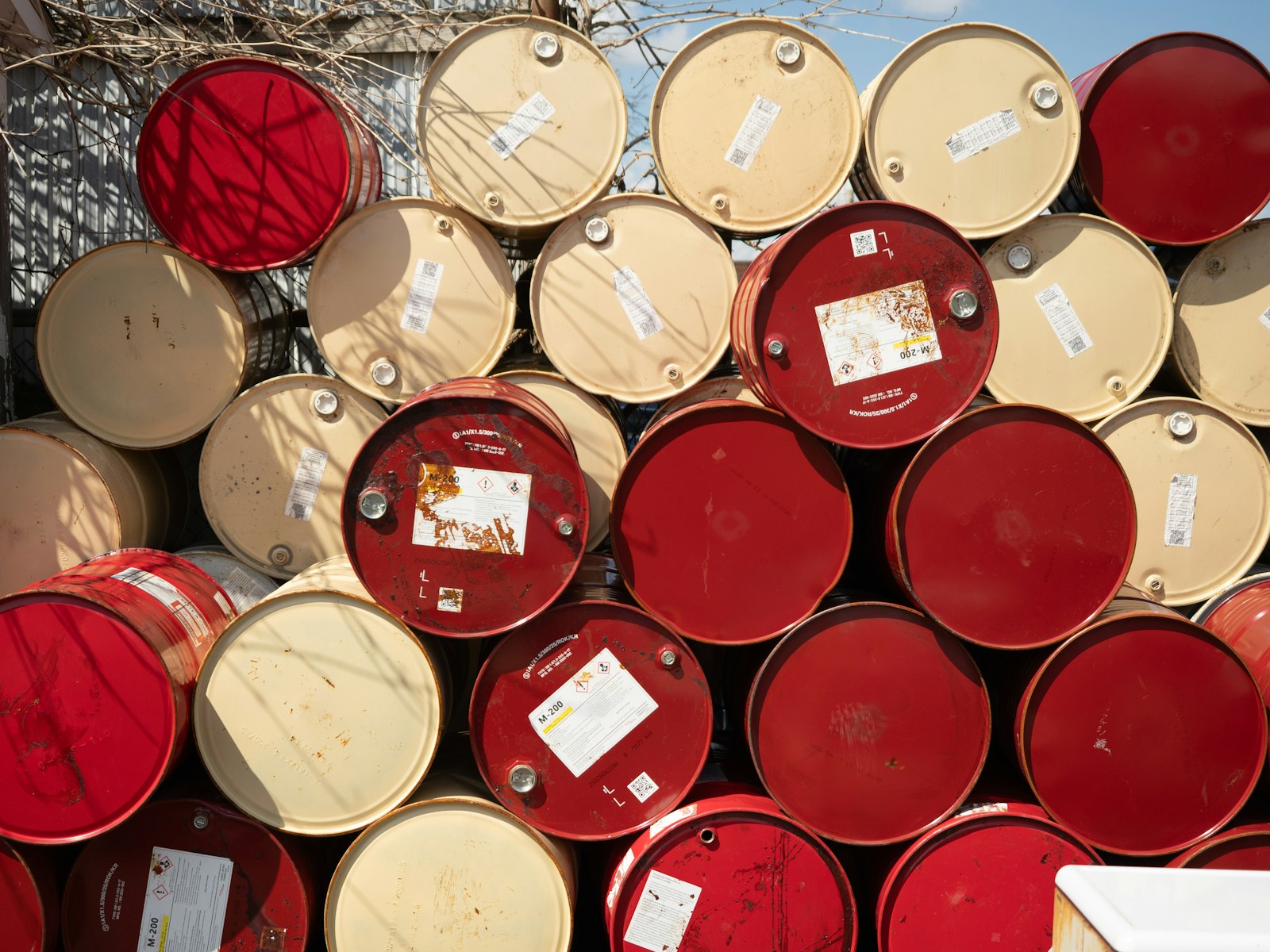
- Drums (around 200 L): steel or plastic, usually delivered on pallets of four.
- IBCs (about 1,000 L): intermediate bulk containers in a cage, moved by forklift; many suppliers run return and reconditioning schemes.
- Bulk road tankers: delivered straight into your storage tank, with the best price per tonne.
- Bags and big bags for solids, from 25 kg sacks to one-tonne bulk bags.
Types of bulk chemical supplier
Producers sell directly, usually in full tanker loads on contract. Distributors buy in bulk, store, blend, repack and deliver smaller quantities to many customers; global distributors such as Brenntag, Univar Solutions and IMCD all operate in the UK, alongside many regional firms. Toll blenders and repackers make up custom mixtures or fill your own branded packs.
For most small and medium businesses, a distributor is the right starting point: it can deliver part-pallets, hold stock for you and combine several products on one delivery.
How to choose a bulk chemical supplier in the UK
- Security of supply. Ask where the product is made, how much stock is held in the UK and what happens if the producer has an outage. For critical raw materials, qualify a second source.
- Quality. Agree a specification and ask for a Certificate of Analysis with every batch. Check the supplier’s quality certification, such as ISO 9001, and for food, feed or pharma use, the relevant grade and traceability.
- Compliance. The product must be registered under UK REACH for the GB market and labelled under GB CLP, with a current Safety Data Sheet. Distributors that belong to the Chemical Business Association commit to recognised safety and compliance standards.
- Logistics. Check delivery windows, minimum drop sizes, tanker access to your site and whether the driver can offload into your tank.
- Packaging. Ask about IBC and drum returns, and who pays for disposal of non-returnable packaging.
- Pricing. Bulk prices often move with raw material and energy costs. Understand whether you have fixed, index-linked or spot pricing, and how much notice you get of changes.
Storing bulk chemicals safely
Bulk storage brings legal duties and real risks. Key points for UK sites:
- COSHH and DSEAR: assess health risks and, for flammable or explosive substances, the risk of fire and explosion.
- Bunding: store liquids in bunded areas or double-skinned tanks to contain leaks, and keep incompatible chemicals in separate bunds.
- COMAH: if you hold dangerous substances above threshold quantities, the Control of Major Accident Hazards Regulations apply, with notification and safety reporting duties. Check your inventory against the thresholds early.
- Environmental permits may be needed for certain processes and discharges.
- Training: staff receiving tanker deliveries need clear procedures to prevent filling the wrong tank, which is a classic cause of serious incidents.
Transport rules
Bulk dangerous goods travel under ADR. Suppliers handle most transport compliance, but as the receiving site you are responsible for safe access, correct tank labelling and supervising offloading. If you collect chemicals yourself, ADR duties can fall on you.
Getting the best deal
- Combine products onto one regular delivery to lower transport costs.
- Commit to annual volumes in exchange for better pricing and priority allocation.
- Move to larger packs only when your storage and handling are ready for them.
- Benchmark annually against at least one other supplier.
For smaller laboratory quantities, see our guides to choosing chemical suppliers and UK chemical suppliers.
Frequently asked questions
What is the minimum order from a bulk chemical supplier?
It varies. Many distributors deliver single drums or IBCs; full tanker loads typically need a contract and suitable storage.
Are IBCs reusable?
Often, yes. Many suppliers collect empty IBCs for cleaning and reconditioning, though some products require new containers.
Do I need a licence to store bulk chemicals?
It depends on the substance and quantity. COMAH applies above set thresholds, some substances need environmental permits, and controlled substances need Home Office licences.
