
Almost every manufactured product depends on chemistry. Plastics, medicines, fertilizers, detergents, paints, batteries and microchips all start with chemicals made by chemistry companies. This guide explains how the chemical industry is structured, the different kinds of chem company, how chemical factories operate safely, and where the major players are based.
The chemical value chain
Upstream, petrochemical and inorganic plants turn oil, gas, salt and minerals into base chemicals in enormous volumes. Midstream, these become intermediates and polymers. Downstream, speciality and fine chemical companies make higher-value products for specific uses, which other industries turn into the goods we buy.
Types of chemistry company
- Integrated majors run large sites covering many steps of the chain, from base chemicals to speciality products.
- Petrochemical and polymer producers focus on high-volume plastics and their building blocks.
- Speciality chemical companies sell products for their performance, with strong technical service.
- Fine chemical and pharmaceutical manufacturers make high-purity substances, often under GMP.
- Distributors store, repack and deliver chemicals to thousands of customers. See bulk chemical suppliers.
- Laboratory chemical suppliers serve research and testing labs. See chemical suppliers.
- Contract manufacturers and CROs make or develop chemicals for other companies.
How chemical factories work
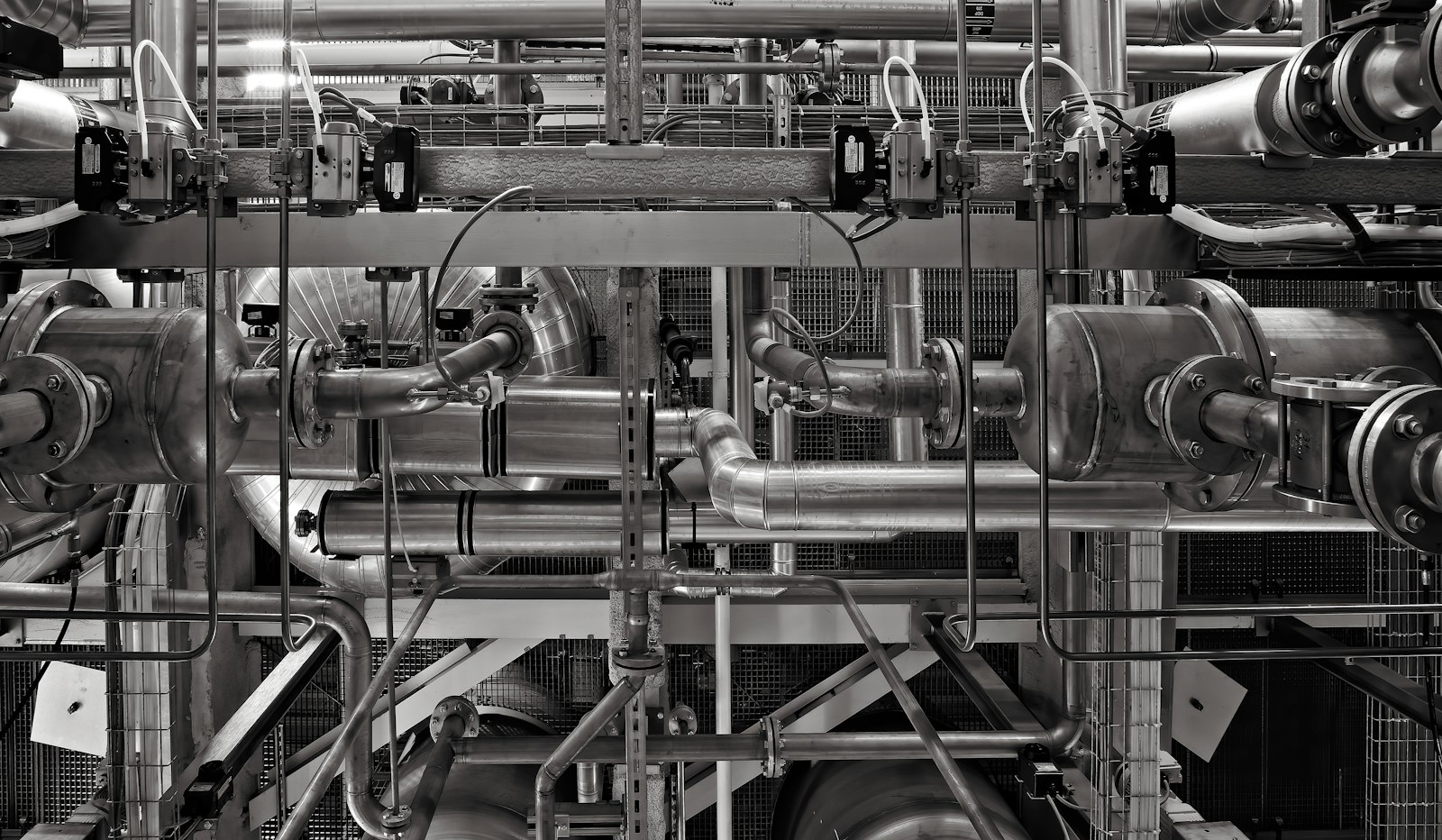
A chemical plant combines reactors, separation units (distillation columns, crystallisers, filters), storage tanks, utilities (steam, cooling water, power) and control rooms. Plants are either continuous, running around the clock to make one product in very high volume, or batch, making many products in smaller campaigns, which is typical of speciality and fine research chemicals.
Large sites are often organised as industrial parks or integrated complexes, where one plant’s by-product is another plant’s raw material and energy is shared. Germany’s BASF is well known for this approach at its Ludwigshafen site.
Safety and regulation in chemical factories
Because chemical plants handle hazardous substances at scale, they operate under strict rules:
- Major accident regulations: the Seveso III Directive in the EU and COMAH in Great Britain require sites above threshold quantities to prevent and plan for major accidents. In the USA, OSHA’s Process Safety Management standard and the EPA’s Risk Management Program play similar roles.
- Process safety management: hazard studies such as HAZOP, management of change, mechanical integrity and emergency planning.
- Environmental permits covering emissions to air, water and land.
- Chemical regulation: REACH, UK REACH and TSCA govern which substances can be made and sold.
- Responsible Care, the industry’s voluntary commitment to safety, health and environmental performance.
Major players
Europe hosts many of the world’s largest chemistry companies, including BASF, INEOS, Evonik, Covestro and Solvay. The USA is home to major groups such as Dow, LyondellBasell (with large operations in the US and Europe) and many speciality firms, helped by low-cost shale gas feedstocks. Asia and the Middle East now account for a large and growing share of global production, with companies such as Sinopec and SABIC.
In the UK, the industry clusters around the North West, Teesside, the Humber and Grangemouth, and includes multinational sites alongside UK-headquartered groups such as Croda and Johnson Matthey, plus thousands of small and medium-sized chemical businesses. The Chemical Industries Association represents manufacturers.
Trends shaping chemistry companies
- Decarbonisation: electrified heating, green hydrogen, carbon capture and lower-carbon feedstocks.
- Circular economy: chemical recycling of plastics and bio-based raw materials.
- Energy costs, which have strained European producers in recent years.
- Digitalisation: advanced process control, predictive maintenance and AI in R&D.
- Safer chemistry: replacing substances of very high concern.
Careers in chemistry companies
Roles span research chemists, analytical scientists, process and chemical engineers, plant operators and technicians, health, safety and environment specialists, regulatory affairs, quality, supply chain and technical sales. Many companies offer apprenticeships and graduate programmes. For a closer look at R&D work, see inside a chemical research laboratory.
Frequently asked questions
What is the largest chemical company in the world?
By chemical sales, BASF is consistently ranked at or near the top, with Dow, Sinopec and others close behind. Rankings change year to year.
What does a chemical company make?
Anything from base chemicals like ethylene and ammonia to plastics, fertilisers, coatings, cleaning ingredients, pharmaceuticals and electronic materials.
Are chemical factories safe to live near?
Sites handling large quantities of dangerous substances must assess and reduce risks, inform the public and have emergency plans. Information for residents is usually available from the operator and local authority.
