
Whether you are stocking a new lab, running a small manufacturing business or teaching chemistry, you will eventually need to buy chemicals. Done well, it is routine. Done badly, it can mean wrong grades, unsafe storage or even breaking the law. This guide covers where to buy, what suppliers will ask for, the main legal restrictions in the UK, EU and USA, and how to handle chemicals once they arrive. MDPHP Kopen
Where to buy chemicals
- Laboratory distributors for research, QC and teaching labs. They sell lab-scale pack sizes in defined grades with full documentation. See our guide to choosing chemical suppliers.
- Specialist suppliers for building blocks, reference standards and other niche products. Our UK suppliers comparison covers several.
- Bulk and industrial distributors for drums, IBCs and tanker loads. See bulk chemical suppliers UK.
- Education suppliers and chemistry stores that sell to schools, colleges and, for some low-hazard products, the public.
- Trade counters and specialist retailers for everyday chemicals used in cleaning, pools, photography, brewing, gardening or metalwork. a-php
What suppliers will ask for
Reputable chemical suppliers know their customers. Expect to provide:
- An organisation name, address and often a company or VAT number
- A named contact, and sometimes proof that a delivery address is a business or institution
- For restricted products, an end-use declaration, licence details or both
Many lab suppliers sell hazardous chemicals only to organisations. If you are a private individual, expect a narrower range.
Legal restrictions to know
United Kingdom
Regulated poisons and explosives precursors can only be bought by members of the public who hold a Home Office Explosives Precursors and Poisons licence, and suppliers must report suspicious transactions. Drug precursor chemicals are also licensed. Chemicals on the GB market must comply with UK REACH and GB CLP labelling.
European Union
The EU regulation on explosives precursors restricts certain substances above set concentrations for members of the public, with some member states operating licensing schemes, and requires suppliers to check customers and report suspicious transactions. Drug precursors are controlled under separate EU rules, and REACH and CLP apply to chemicals generally.
United States
The DEA controls listed chemicals used to make illegal drugs, with registration, record-keeping and reporting duties for suppliers. Some states add their own restrictions, and shipping hazardous materials is governed by DOT rules. OSHA’s Hazard Communication Standard governs labelling and Safety Data Sheets.
A warning about online “research chemicals” shops
Search results for buying chemicals include websites selling so-called research chemicals: new psychoactive substances marketed as “not for human consumption”. These are not laboratory suppliers. Their products are often unregulated, mislabelled and of unknown purity, many are illegal in the UK, EU and USA, and they have caused serious harm. Legitimate research suppliers check who you are, provide genuine Certificates of Analysis and do not sell controlled drugs to the public. If a site looks like it is selling drugs with a laboratory label, treat it as exactly that.
Choosing the right grade and quantity
Buy the lowest grade that is fit for your purpose, and the smallest pack you will use before it degrades. Bulk savings disappear if half the bottle expires. Our guide to reagent chemical grades explains the options.
Before the delivery arrives
- Read the Safety Data Sheet and do a risk assessment (COSHH in the UK).
- Prepare storage: segregate acids, bases, oxidisers and flammables; use ventilated cabinets where needed.
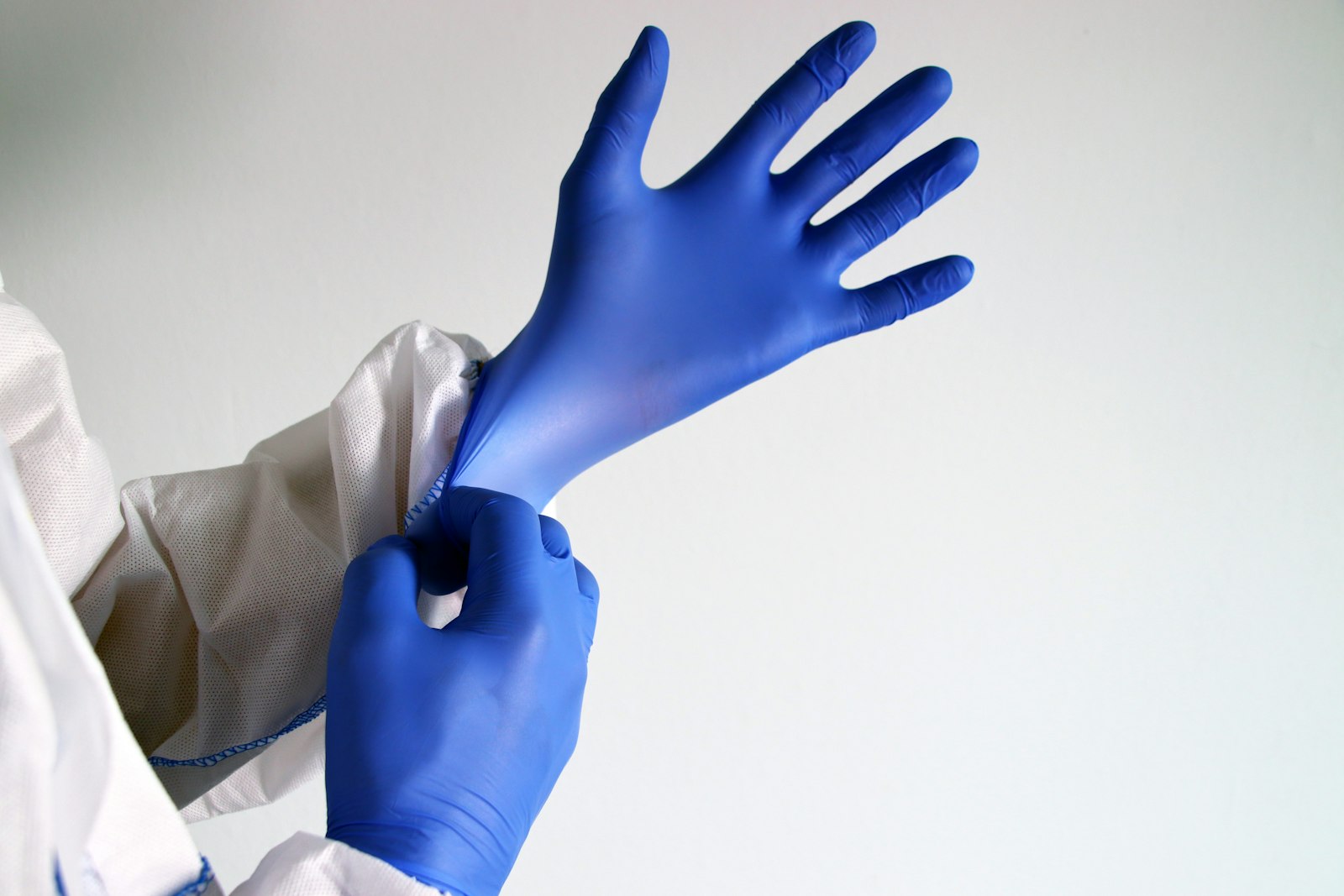
- Check PPE: correct gloves, eye protection and, if needed, respiratory protection.
- Plan disposal: know how waste will be collected; chemicals must not go down the drain unless that is explicitly safe and permitted.
When it arrives
- Inspect packaging for damage or leaks.
- Check the label matches the order: name, grade, concentration and pack size.
- Record the lot number, date received and storage location.
- File the Certificate of Analysis and SDS.
- Store immediately in the right place.
Frequently asked questions
Can I buy lab chemicals as a private individual?
Some, yes, particularly low-hazard chemicals from education suppliers and specialist retailers. Restricted substances need licences, and many lab distributors sell only to organisations.
Is it legal to buy chemicals online?
Yes, from legitimate suppliers and within the rules for each substance and country. Restricted substances need the same checks online as offline.
What is a chemistry store?
Usually a retailer selling chemicals, glassware and kits to schools, hobbyists and small businesses, typically limited to lower-hazard products.
