
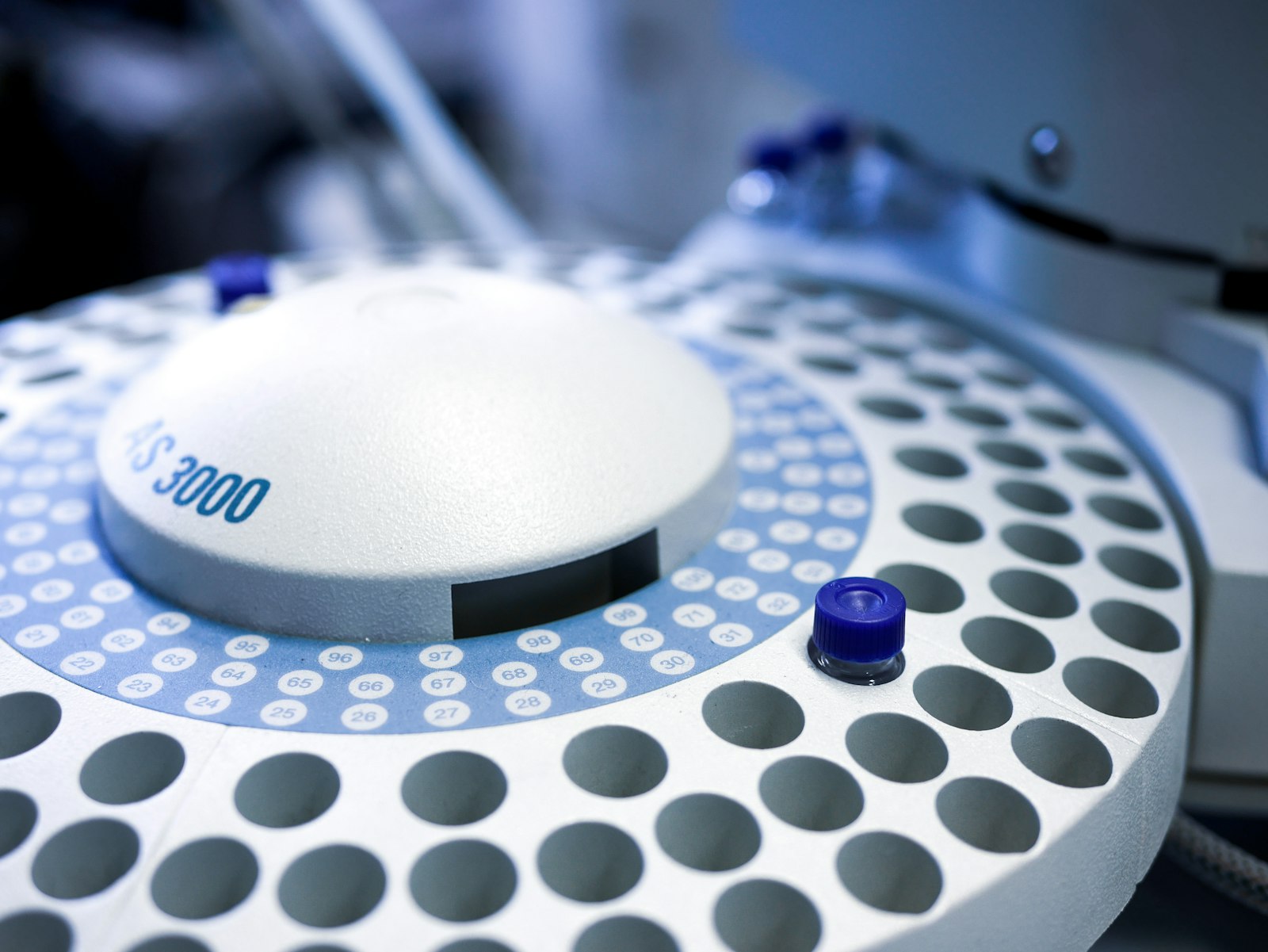
Buying a balance, centrifuge or HPLC system is a decision your lab will live with for a decade or more. The right scientific equipment supplier does far more than deliver a box: it installs, qualifies, services and supports the instrument for its whole life. This guide explains the types of lab equipment supplier, how to compare offers on total cost rather than price, and what essential equipment a chemistry lab needs. 3 meo pcp
Types of scientific equipment supplier
- Manufacturers selling direct. Common for complex instruments such as mass spectrometers, NMR and chromatography systems. You get specialist applications support and factory-trained engineers.
- Distributors. Broad lab suppliers sell general equipment from many brands, often with quick delivery from stock and the convenience of one account. etizolam 1mg blotters
- Specialist dealers. Focus on one area, such as microscopy, cold storage or weighing, and often add calibration and service.
- Used and refurbished equipment suppliers. Offer large savings on quality pre-owned instruments, ideally tested, decontaminated and warrantied.
- Leasing and rental companies. Useful for short projects or to spread the cost of expensive instruments.
Think total cost of ownership, not price
The purchase price is often a minority of what an instrument costs over its working life. Service contracts, consumables, calibration, energy, training and downtime all add up.
Questions to ask any lab equipment supplier
- Warranty: how long, what it covers, and whether it includes parts, labour and engineer travel.
- Service: response times, whether engineers are local, and the cost of a service contract after warranty.
- Parts and support life: how long the manufacturer will support the model before it is declared obsolete.
- Installation and qualification: whether installation qualification (IQ) and operational qualification (OQ) are included, which matters in regulated labs.
- Training: on-site training for users, and access to applications specialists.
- Consumables: whether the instrument needs proprietary consumables, and what they cost per run.
- Compliance: correct UKCA or CE marking and electrical safety, and software that meets your data integrity needs.
- Demo or trial: whether you can test the instrument with your own samples first.
Buying used or refurbished equipment
Refurbished equipment can cost a fraction of new and is ideal for teaching labs, start-ups and backup instruments. Reduce the risk by buying from a reputable dealer, asking for a decontamination certificate, checking service history, insisting on a warranty and confirming that parts and service are still available. Our UK lab suppliers comparison includes a used-equipment specialist.
Essential chemical lab equipment
| Equipment | Why you need it |
|---|---|
| Fume cupboard | Controls exposure to vapours and fumes; must be tested regularly |
| Analytical and top-pan balances | Accurate weighing; need calibration and a stable bench |
| Hotplate stirrers | Heating and mixing solutions |
| pH meter | Buffer preparation and sample testing |
| Drying oven | Drying glassware and samples |
| Rotary evaporator | Removing solvents gently under reduced pressure |
| Centrifuge | Separating solids and liquids, sample prep |
| Refrigerator and freezer | Storing reagents; flammables need spark-free models |
| Chemical storage cabinets | Segregated, ventilated storage for flammables, acids and bases |
| Safety shower and eyewash | Emergency decontamination |
After you buy: keep equipment working
- Keep an equipment register with serial numbers, locations, service dates and calibration status.
- Schedule preventive maintenance rather than waiting for failures.
- Train users and keep simple instructions next to each instrument.
- Record faults and repairs to spot problem instruments early.
For the consumables that go with your equipment, see our guide to scientific and laboratory supplies.
Frequently asked questions
Should I buy lab equipment from the manufacturer or a distributor?
Complex instruments are usually best bought direct for support. General equipment is often cheaper and faster through a distributor.
What is IQ/OQ/PQ?
Installation, operational and performance qualification: documented checks that equipment is installed correctly, works to specification and performs reliably for your application.
Is leasing lab equipment worth it?
It can be for short projects, fast-changing technology or when capital budgets are tight, but compare the total lease cost with buying.
