
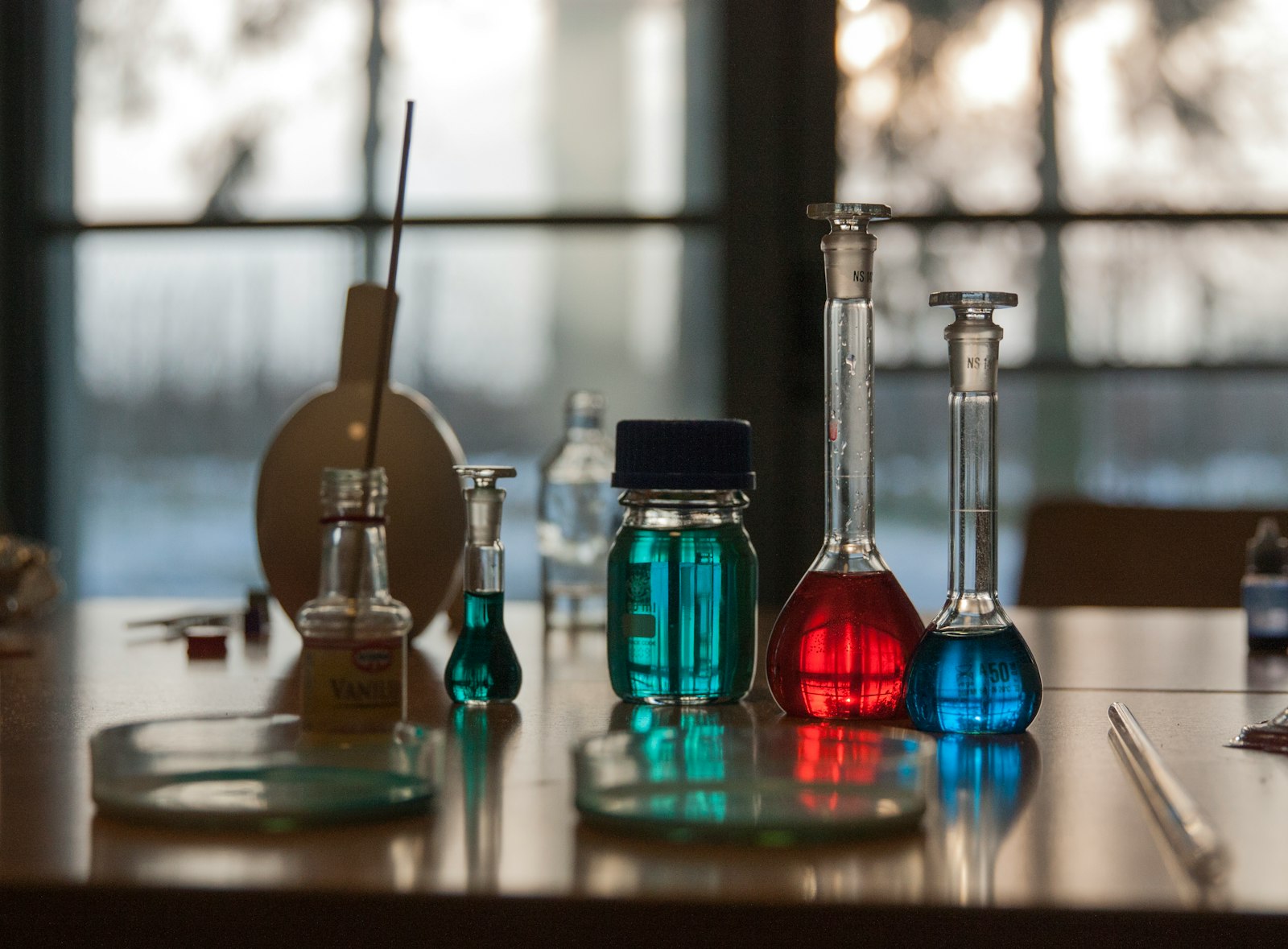
Every lab runs on a steady flow of scientific and laboratory supplies: the tips, tubes, glassware, gloves and chemicals that get used up day after day. They rarely get the attention that big instruments do, yet they make up a large share of a lab’s running costs, and running out of one cheap item can stop an entire workflow. This guide sets out what counts as lab supplies, gives you a starter checklist, and explains how to buy and manage them efficiently. 1b lsd
The main categories of lab supplies
Glassware
Borosilicate glass beakers, flasks, measuring cylinders, volumetric flasks, burettes and pipettes remain essential for heating, measuring and chemical compatibility. For quantitative work, buy volumetric glassware of the correct accuracy class, such as Class A, with batch certificates where needed.
Plasticware
Centrifuge tubes, microtubes, well plates, bottles and wash bottles. Check the polymer (polypropylene, polystyrene, PTFE and so on) against the chemicals and temperatures you use, and choose sterile or certified nuclease-free items for biology.
Liquid handling
Pipettes, matching tips, serological pipettes and bottle-top dispensers. Tips are among the highest-volume items in any lab, so small price differences add up. Remember that pipettes need regular calibration. flunitrazolam 25 mg pellets
Chemicals
Solvents, acids, bases, salts, buffers and reagents in the right grade for each method. See our guide to reagent chemical grades before choosing.
Safety and PPE
Gloves in several sizes and materials, safety glasses and goggles, lab coats, face shields, spill kits, first aid and eyewash supplies. Glove choice matters: nitrile suits many chemicals, but some solvents need other materials, so check manufacturer permeation data.
Filtration, analysis and storage
Filter papers and membranes, syringe filters, HPLC vials and caps, cuvettes, chromatography columns, storage racks, cryoboxes and chemical-resistant labels.
Starter checklist for a new chemistry lab
| Category | Typical first order |
|---|---|
| Glassware | Beakers (50–1,000 mL), conical flasks, measuring cylinders, Class A volumetric flasks, funnels |
| Plasticware | Wash bottles, centrifuge tubes, sample bottles, disposable pipettes |
| Liquid handling | Set of adjustable pipettes, tips in matching sizes, pipette fillers |
| Chemicals | Core solvents, common acids and bases, pH buffers, cleaning agents |
| Safety | Gloves, goggles, lab coats, spill kits, chemical waste containers |
| General | Labels, marker pens, lab notebooks, weighing boats, spatulas, stirrer bars |
How to buy lab supplies well
- Standardise. Agree on a short list of approved products for high-volume items, so everyone orders the same tip, tube and glove. That earns better pricing and reduces errors.
- Use a main distributor plus specialists. A broad supplier covers most items; specialists often do better on niche consumables. Our UK lab suppliers comparison covers both.
- Negotiate a core list. Ask for fixed prices on your top 50 items for a year.
- Check compatibility. Make sure tips fit your pipettes and vials fit your autosampler before switching brands to save money.
- Watch total cost. Delivery charges, minimum order values and time spent ordering can outweigh unit price.
Managing stock
Running out is expensive, but so is overstocking items that expire. Simple measures help:
- Set minimum stock levels and a reorder point for critical consumables.
- Use a shared inventory sheet or system, and record lot numbers and expiry dates for chemicals.
- Rotate stock, first in, first out.
- Do a quarterly stock check and remove expired or unused items.
Making lab supplies more sustainable
Labs produce a lot of single-use plastic. Options include tip refill systems, reusable glassware where practical, take-back schemes offered by some manufacturers, choosing products with less packaging, and consolidating orders to cut deliveries. Sustainability certification schemes for labs can give a framework for improvements.
Frequently asked questions
What is the difference between lab supplies and lab equipment?
Supplies are consumed or replaced regularly (tips, gloves, chemicals). Equipment is durable and maintained (balances, centrifuges, ovens). See our guide to lab equipment suppliers.
Can I buy scientific supplies as an individual?
Many general consumables are available to anyone. Hazardous and restricted chemicals usually require a business or institutional account.
How often should pipettes be calibrated?
Commonly every 6–12 months, or more often in regulated or high-use settings. Follow your quality system and the manufacturer’s guidance.
